
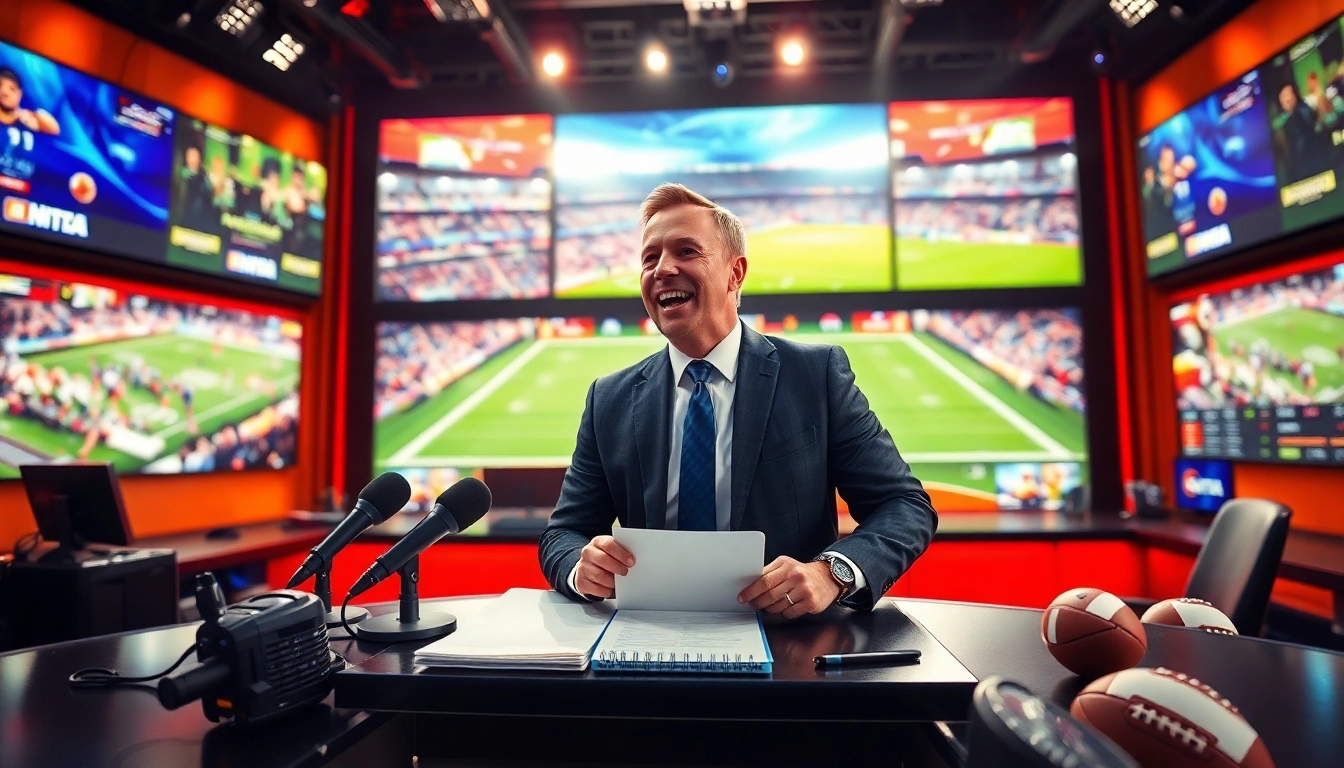
Understanding the Landscape of Sports Broadcasting
The world of Sports Broadcasting is a dynamic and ever-evolving field that combines the excitement of live sports with the technical advancements of modern technology. It encompasses a wide array of activities including the planning, production, and distribution of sports content across various platforms. Understanding the landscape of sports broadcasting is essential for anyone involved in sports communication, whether they’re broadcasters, production staff, analysts, or journalists. This section will delve into the history and evolution of sports broadcasting, identify key players in the field, and explore various broadcasting platforms.
History and Evolution of Sports Broadcasting
Sports broadcasting has a rich history that dates back to the early 20th century. The first major sporting event broadcasted on radio was the 1921 boxing match between Johnny Dundee and Johnny Ray. This set a precedent for how sports could reach audiences beyond physical venues. The advent of television in the 1950s revolutionized the industry as it brought vivid images right into homes, dramatically increasing sports‘ popularity. Major events like the Super Bowl and the FIFA World Cup saw a meteoric rise in viewership, thanks to television.
As technology advanced, so did the broadcasting methods. Cable and satellite broadcasting introduced a wider array of sports channels, allowing fans to access content on-demand. The internet further transformed the landscape, with streaming services giving audiences flexible viewing options. The rise of mobile devices has made sports content even more accessible, allowing fans to watch games on the go. This evolution signifies a continuous effort by broadcasters to engage audiences effectively through innovative technologies and formats.
Key Players and Their Roles in Sports Broadcasting
The sports broadcasting ecosystem includes a variety of stakeholders, each playing a crucial role. Broadcasters such as television networks, cable providers, and streaming services are at the forefront, as they acquire rights to air sporting events. They invest heavily in production resources, technology, and talent to deliver high-quality broadcasts. Sports leagues and franchises are responsible for the content itself, creating compelling narratives, star athletes, and engaging matchups to attract viewership.
Additionally, sports analysts and commentators provide critical insights and entertainment during broadcasts. Their expertise not only enhances viewer understanding but also adds to the excitement of live events. Production crew, including camera operators, sound engineers, and directors, work behind the scenes to ensure that broadcasts run smoothly. Marketing and advertising teams also play a crucial role in monetizing broadcasting by attracting sponsorships and viewer engagement. The symbiotic relationships among these players contribute to the overall success of sports broadcasting.
Overview of Different Broadcasting Platforms
Sports broadcasting now encompasses a variety of platforms due to technological advancements. Traditional television remains a staple, with major networks dominating live sports coverage. However, digital advancements have led to the rise of streaming services that offer on-demand content. Services like social media platforms and video-sharing websites allow audiences to engage with highlights and analysis instantly.
Subscription-based services like Amazon Prime and Hulu have started to secure sports broadcasting rights, diversifying how viewers can access games. Additionally, mobile applications provide real-time updates, scoreboards, and highlights, contributing to the interconnected media ecosystem of sports. This multiplicity of platforms caters to various audience preferences, from casual viewers to die-hard fans.
Techniques for Effective Sports Broadcasting
Essential Skills for Sports Broadcasters
To excel in sports broadcasting, individuals must master a combination of essential skills. First and foremost, strong communication skills are crucial for conveying information clearly and engagingly. Sports broadcasters often need to think on their feet while presenting live events, necessitating quick decision-making and adaptability in their delivery.
Additionally, a deep understanding of sports is vital. Broadcasters should possess extensive knowledge of the sport they are covering, including rules, strategies, and statistics, in order to provide insightful commentary that resonates with viewers. Technical skills in video production, audio editing, and broadcasting software are also increasingly important in today’s digital landscape, enabling broadcasters to bring professional-quality content to audiences.
Utilizing Technology in Sports Broadcasting
Technology plays an integral role in modern sports broadcasting. High-definition cameras, slow-motion replays, and drone footage enhance the viewing experience by capturing the action from multiple angles. Furthermore, augmented reality and virtual reality technologies are beginning to emerge in broadcasts, offering viewers immersive experiences that traditional media cannot provide.
Data analytics have also transformed the production and consumption of sports content. Broadcasters leverage real-time statistics to provide richer contextual commentary, enhancing audience engagement. Advanced graphics and visual storytelling techniques can help viewers understand complex plays and strategies, making them feel more connected to the game.
Crafting Compelling Narratives and Commentary
Compelling narratives are essential to capture and maintain viewers‘ attention during broadcasts. Broadcast teams craft stories not just about the game itself but about its players, coaches, and history. By weaving human interest stories into the broadcasts, sports commentators can deepen emotional connections with the audience.
Commentary must also be dynamic and engaging, balancing analytical insights with entertainment. Skilled broadcasters know how to infuse personality and passion into their delivery, ensuring viewers stay invested in the event. Proper use of pacing and tone adjustments can heighten the excitement during critical moments in the game, enhancing the overall viewing experience.
Navigating the Challenges in Sports Broadcasting
Handling Real-Time Events and Breaking News
One of the most significant challenges in sports broadcasting is managing real-time events, especially during breaking news situations. Broadcasters must be prepared for unpredictable moments—such as injuries, player controversies, or weather-related delays—and respond quickly and appropriately. Training and experience in crisis communication are valuable for broadcasters to handle these situations efficiently.
Utilizing social media for immediate updates and audience engagement during real-time events can also help broadcasters maintain viewer trust and ensure open lines of communication. Broadcasters need to develop crisis management strategies that prioritize accurate information while handling sensitive situations tactfully.
Addressing Viewer Engagement and Feedback
Viewer engagement is critical for the success of sports broadcasting as it influences overall ratings and advertising revenues. Broadcasters should actively seek and address audience feedback, whether through social media platforms or viewer surveys. This two-way communication helps create a community around broadcasts, enhancing viewer loyalty.
Interactive features, such as live polls, Q&A sessions with commentators, or fan voting on game highlights, encourage viewer participation. Leveraging viewer engagement can lead to increased ratings, better content quality, and ultimately a more enriched viewing experience.
Compliance and Ethical Considerations
Ethical considerations and compliance with broadcasting regulations are significant aspects of sports broadcasting. Broadcasters must adhere to guidelines set forth by telecommunications regulatory bodies, ensuring adherence to time limits on advertisements and the rights to air specific events. Issues like copyright infringement, particularly concerning highlights and recordings, also pose challenges that need to be navigated carefully.
Moreover, ethical considerations encompass issues of fairness and accuracy in reporting. Broadcasters should strive for impartiality, particularly during politically charged events. Maintaining integrity and accountability in broadcasting practices helps build trust with audiences and fosters a respected broadcasting environment.
Trends Reshaping the Future of Sports Broadcasting
The Impact of Digital Platforms on Sports Broadcasting
Digital platforms have profoundly influenced sports broadcasting by shifting how content is distributed and consumed. The traditional television model has been challenged by the rise of streaming services, which offer flexible, on-demand options for viewers. This transformation allows audiences to curate their viewing experiences based on personal preferences, thereby reshaping broadcast strategies.
Additionally, the integration of social media platforms enables real-time updates and highlights to be shared instantaneously. This strong online presence contributes to broader engagement, particularly among younger audiences who prefer consuming content through digital channels over traditional methods.
Innovations in Viewing Options for Audiences
Innovations in technology continue to create new viewing options for sports audiences. 4K and 8K resolution broadcasts provide stunning clarity and immersive experiences. Features like multi-camera views and interactive dashboards allow viewers to choose specific angles, stats, or replays during live events. Enhanced audio experiences through spatial audio also enrich the overall atmosphere of the viewing experience.
Moreover, potential advancements in virtual reality could revolutionize the landscape by offering fans virtual front-row seats to games, enabling them to experience the thrill of live events without leaving home. As technology continues to develop, the variety of viewing options available to sports fans will only expand.
Predictions for the Next Decade in Sports Broadcasting
Looking forward, the next decade of sports broadcasting is expected to witness unprecedented changes fueled by technological advancements and evolving viewer preferences. A shift towards personalized viewing experiences utilizing AI-driven recommendations may soon take center stage, providing tailored sports content that aligns with individual interests.
As 5G technology rolls out globally, streaming quality will improve significantly, paving the way for diverse content formats and applications that enhance viewer interactivity. Additionally, we may see a blend of traditional sports with esports, as audience demographics continue to intersect, leading to innovative broadcasting strategies that attract diverse viewership.
Measuring Success in Sports Broadcasting
Key Performance Indicators for Sports Broadcasters
Measuring success in sports broadcasting requires the establishment of key performance indicators (KPIs). Metrics such as viewer ratings, audience reach, and engagement levels are fundamental to assessing the effectiveness of broadcasts. Additionally, broadcasters should consider metrics related to advertising revenues and sponsorship growth, as these directly correlate with the commercial success of events.
Monitoring social media engagement metrics, like shares, likes, and comments, can also provide valuable insights into audience sentiment and enhance strategies for increasing visibility and viewer interaction. These KPIs ultimately provide a comprehensive understanding of the impact and reach of sports broadcasts.
The Role of Audience Metrics in Broadcasting Strategy
Audience metrics play a pivotal role in shaping broadcasting strategies. Broadcasters can analyze demographic information, viewing patterns, and preferences to tailor content that resonates with their target audience. Understanding what types of content yield the highest engagement allows broadcasters to refine their offerings, keeping viewers returning for more.
Engaging with metrics not only allows broadcasters to optimize their content but also influences future partnerships and sponsorship deals. By demonstrating audience engagement through data, broadcasters can attract advertisers looking to connect with specific demographics effectively.
Case Studies of Successful Sports Broadcasting Examples
Several successful case studies exemplify the evolution of sports broadcasting. For example, the coverage of major international sporting events, such as the Olympics or World Cup, showcases innovative broadcasting strategies. These events utilize a range of technologies to enhance viewer experiences—multi-camera angles, interactive features, and extensive pre- and post-event coverage.
Another noteworthy example is the growth of dedicated sports streaming platforms that host niche sports, allowing less popular sports to flourish by providing dedicated coverage and commentary. These platforms highlight the importance of creating engaging, specialized content that caters to targeted audiences—demonstrating that success in sports broadcasting lies in understanding audience preferences and the media landscape.
FAQs about Sports Broadcasting
What is sports broadcasting?
Sports broadcasting involves the production and distribution of live sports events and related content through various media platforms, including television, radio, and streaming services.
How has technology impacted sports broadcasting?
Technology has transformed sports broadcasting through high-definition video, interactive features, and data analytics, enhancing viewer engagement and experiences.
What are key challenges in sports broadcasting?
Key challenges include managing real-time events, ensuring viewer engagement, navigating compliance, and maintaining ethical standards in reporting.
What skills are essential for sports broadcasters?
Essential skills include strong communication, in-depth sports knowledge, adaptability, technical proficiency, and the ability to craft compelling narratives.
What trends are shaping the future of sports broadcasting?
Trends include the rise of digital platforms, immersive technologies, personalized content, and evolving viewer preferences shaping future broadcasting strategies.