
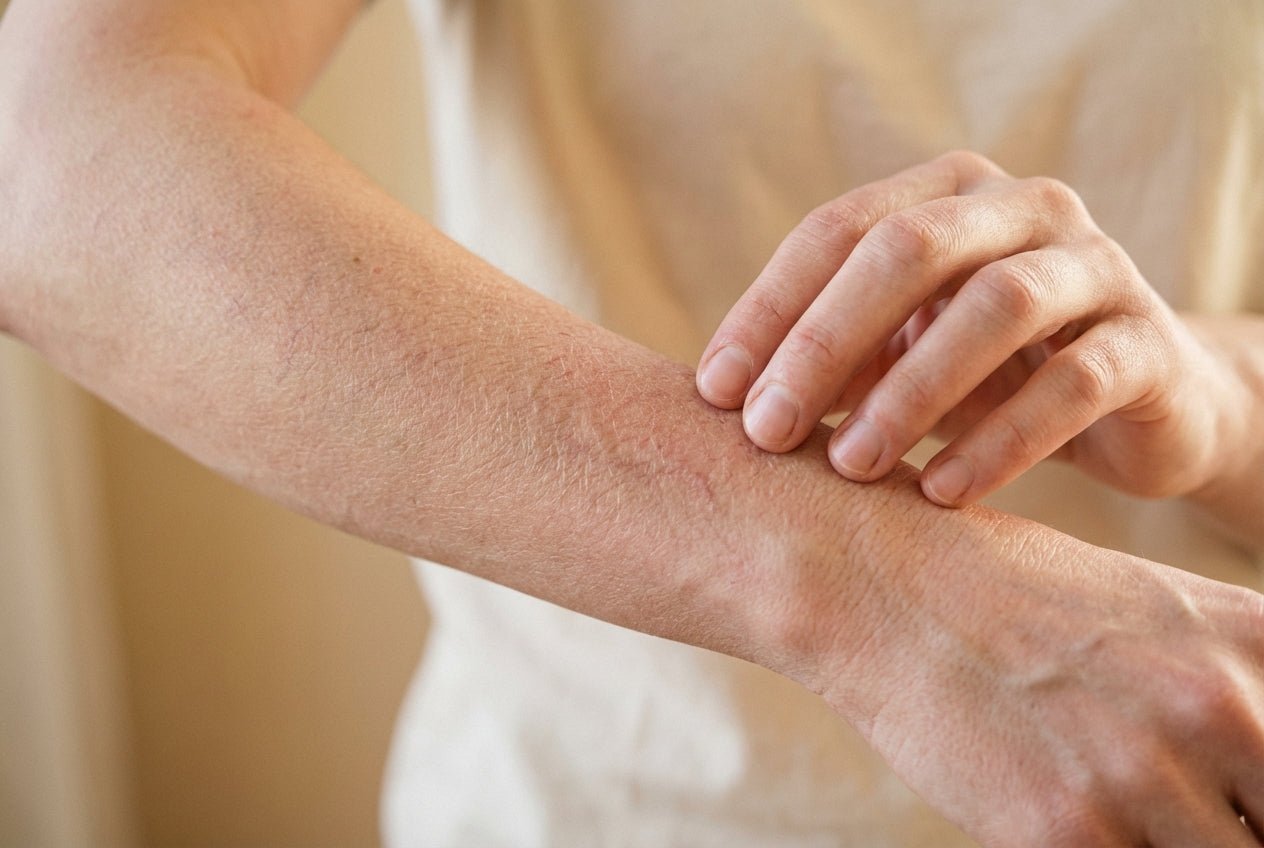
Mite bites on the face are a shock for many sufferers because the skin changes are immediately visible and often intensely itchy. Especially in the sensitive facial area, quick, targeted help is important to alleviate discomfort and prevent scarring or persistent redness. In this guide, you’ll learn how to recognize a mite rash on the face, what causes it, and which treatments are truly effective. Visit hto-berlin for more details.
- What are mite bites on the face?
- Common causes: Which mites trigger a rash on the face?
- 1. House dust mites
- 2. Grass mites (autumn grass mites)
- 3. Scabies mites
- 4. Hair follicle mites (Demodex)
- Mite bites or pimples? Here’s how to tell the difference.
- Diagnosis: How does a doctor diagnose a mite rash on the face?
- Treatment: What helps against mite bites on the face?
- Acute relief of symptoms
- Specific treatment based on cause
- Mite bites: Preventing mite rashes on the face
- When you should go to the doctor immediately
- Psychological stress: Visible rash on the face
- Quick overview: How to deal with mite bites on the face
- Frequently asked questions about mite bites on the face
What are mite bites on the face?
Facial mite bites are caused by tiny arachnids that live on the skin, burrow into skin layers, or trigger allergic reactions. Typical culprits include house dust mites, harvest mites (autumn mites), scabies mites, or hair follicle mites such as Demodex.
Mites themselves are usually not visible to the naked eye, but their bites or reactions leave behind small red marks, bumps, or pustules, often accompanied by intense itching. This is particularly problematic on the face because the skin there is thin, sensitive, and cosmetically very important.
Common causes: Which mites trigger a rash on the face?
Several types of mites can cause a mite rash on the face. These are the most important:
1. House dust mites
House dust mites themselves do not bite humans, but their excrement triggers severe allergic reactions in many people. Typical symptoms include:
- Itchy, reddened patches of skin on the face, especially in the morning
- Common accompanying symptoms include sneezing, runny nose, and watery eyes.
- Deterioration in poorly ventilated, dusty rooms
The reaction is more like an allergic contact or respiratory reaction than classic bite marks, but is often described by those affected as „mite bites on the face“.
2. Grass mites (autumn grass mites)
Grass mite larvae live in the grass and bite primarily on exposed areas of the body. The following areas of the face are most commonly affected:
- Chin, neck, base of the ears
- hairline and neck
- Lower facial area of playing children
The bites appear as intensely itchy red spots, which can develop into small nodules. A typical symptom is severe itching, which worsens especially in the evenings and at night.
3. Scabies mites
Scabies mites burrow tunnels into the top layer of skin, causing intense, burning itching. The face is less frequently affected in adults, but common in infants and young children. Warning signs:
- Fine, winding paths or lines in the skin
- Redness, crusts, scratch marks
- Intense itching, especially at night
- Possible spread to hands, feet, torso
Scabies is highly contagious and absolutely requires medically prescribed treatment.
4. Hair follicle mites (Demodex)
Demodex mites naturally live in hair follicles, especially on the face. If they multiply excessively or the skin barrier is compromised, inflammation can occur that resembles rosacea. Typical signs:
- Diffuse redness in the face, especially nose, cheeks, forehead
- Small pustules, papules, sometimes burning instead of itching
- Tendency towards chronic or recurring courses
This form is often referred to as „demodicosis“ and should be examined by a dermatologist.
Mite bites or pimples? Here’s how to tell the difference.
Many people mistake mite bites for acne, allergic reactions, or insect bites. The following information can help with differentiation:
- Mite bites often appear in groups or in a line.
- The itching is usually more intense than with individual blackheads or classic pimples.
- In the case of grass mites and scabies mites, itching often intensifies at night.
- Demodex infestation resembles rosacea, but often shows a higher density of small pustules.
If you are unsure whether it is mite bites, an allergy, or acne, you should always consult a dermatologist for a reliable diagnosis.
Diagnosis: How does a doctor diagnose a mite rash on the face?
The first step is always a detailed consultation and a close examination of the affected skin areas. Suspicious areas can be examined under magnification, with special lamps, or by carefully scraping away the top layer of skin.
Depending on the suspicion, the following are used:
- Skin swab or scraping for microscopic examination for mites
- Allergy tests for suspected house dust mite allergy
- Medical history including environment, occupation, pets, bedding and hygiene factors
A clear diagnosis is the basis for effective treatment and prevents unnecessary self-experimentation with incorrect creams or home remedies.
Treatment: What helps against mite bites on the face?
Treatment depends on the type of mite causing the rash and its severity. Basically, two levels are addressed: the skin symptoms and the underlying cause.
Acute relief of symptoms
To reduce itching and inflammation on the face, the following are frequently used:
- Cooling gels or lotions, e.g. with aloe vera or panthenol
- Non-prescription, mildly dosed hydrocortisone creams as recommended by a doctor
- Antihistamines in tablet form for allergic reactions
The skin on the face is sensitive, therefore stronger creams should only be used under medical supervision and for a limited time.
Specific treatment based on cause
- For scabies mites: Prescription scabies medication (e.g., permethrin cream), often with simultaneous treatment of close contacts.
- In cases of Demodex overgrowth: Special locally acting agents (e.g., metronidazole, ivermectin cream) and gentle skin care.
- For grass mites: Symptomatic treatment of the bites, as well as avoiding tall grass and wearing appropriate clothing outdoors.
- For house dust mite allergy: allergen avoidance (encasings, frequent washing of bed linen, air purification) and possibly anti-allergy medication.
Self-treatment with strong medications without a diagnosis can damage the skin barrier on the face and even worsen the symptoms in the long term.
Mite bites: Preventing mite rashes on the face
Prevention plays a major role with mites because they tend to return if the environment and habits remain unchanged. Effective measures include:
- Wash bed linen at least once a week at 60 degrees.
- Protect mattresses and pillows with mite-proof covers (encasings).
- Ventilate bedrooms regularly and reduce dust collectors such as open shelves.
- When spending time outdoors, wear long clothing and protect your face and neck area as much as possible.
- Pay attention to regular parasite checks for pets.
A consistent combination of skin therapy and environmental adaptation is the best protection against new mite bites on the face.
When you should go to the doctor immediately
Mite bites on the face are unpleasant, but in most cases can be treated effectively. However, in certain situations, medical help is particularly urgent:
- Intense, uncontrollable itching despite home remedies
- Blisters, oozing, pus or severe swelling
- Infection of other body parts or family members
- Fever, general feeling of illness or pain
Especially on the face, one should not wait for the condition to worsen in order to avoid scarring, pigmentation disorders, or chronic courses.
Psychological stress: Visible rash on the face
A mite rash on the face is not only a physical problem, but often also a psychological one. Those affected feel ashamed, avoid social contact, or feel insecure in their professional lives.
Professional skin therapy, open communication with family and friends, and, if necessary, psychological support can help you cope better with the situation and boost your self-confidence. Especially if the rash persists, it’s important to keep an eye on both your skin and your mental well-being.
Quick overview: How to deal with mite bites on the face
- Observe changes in the face closely and do not scratch them.
- Seek dermatological advice early to determine the type of mite.
- Treat mite bites and mite rashes on the face in a targeted way, instead of randomly testing creams.
- Design living and sleeping environments to be low in mites.
- Seek further help if symptoms persist or if you experience emotional distress.
Those who understand the causes and act consistently can usually get facial mite bites under control and effectively prevent recurrences.
Frequently asked questions about mite bites on the face
Can mite bites on the face leave scars?
Yes, especially if there is excessive scratching or if inflamed pustules and blisters are not treated properly, small scars or dark spots can remain. Early, anti-inflammatory treatment significantly reduces this risk.
How long does it take for mite bites on the face to heal?
Depending on the cause and individual skin reaction, most mite bites subside within a few days to two weeks. However, in the case of scabies mites or Demodex-associated inflammation, treatment can take several weeks until the skin has completely calmed down.
Are mite bites on the face contagious?
The bites themselves are not contagious, but certain mite species, such as scabies mites, can be transmitted from person to person. Therefore, in cases of confirmed scabies, close contacts must always be treated as well, and textiles must be thoroughly cleaned.